- All Ads
-

- ගම්පොල
-
- නිවස සහ ජීවනය
-
- නිවාස වැඩිදියුණු කිරීමේ ද්රව්ය සහ මෙවලම්
-
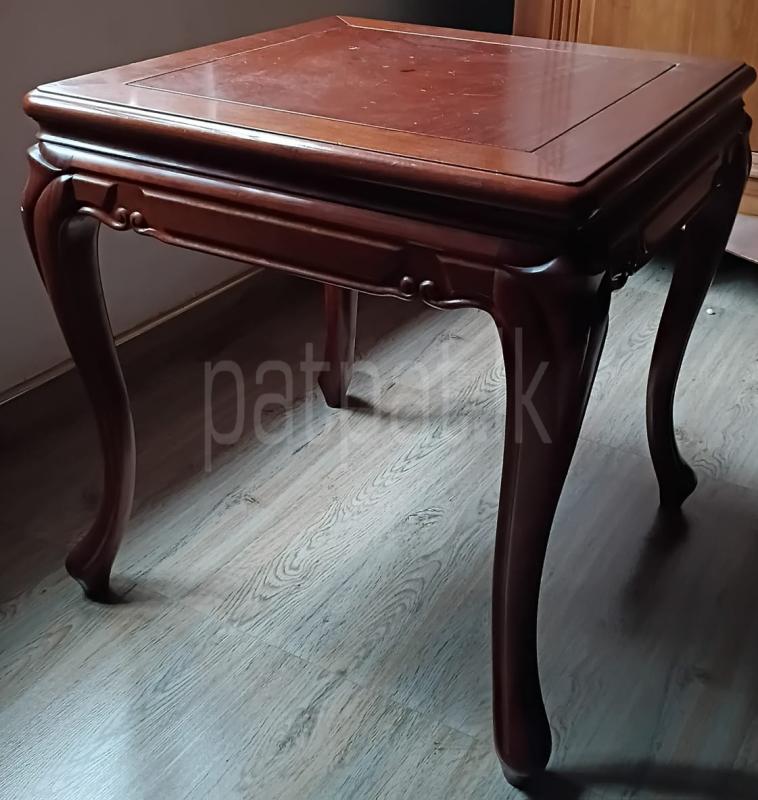
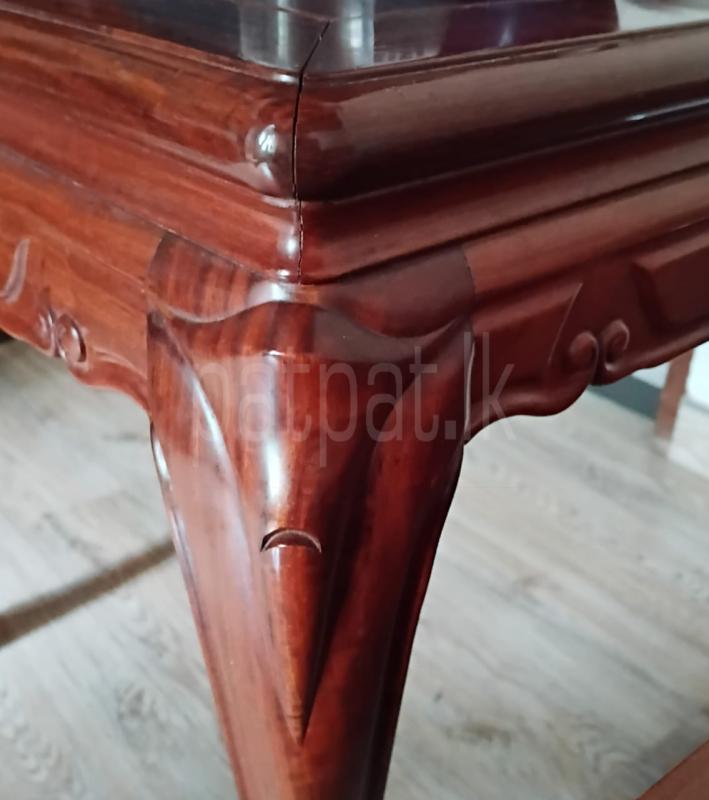
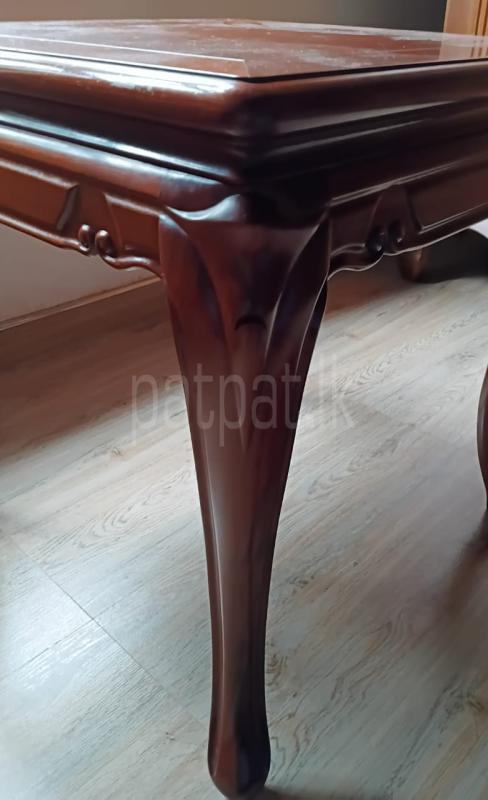
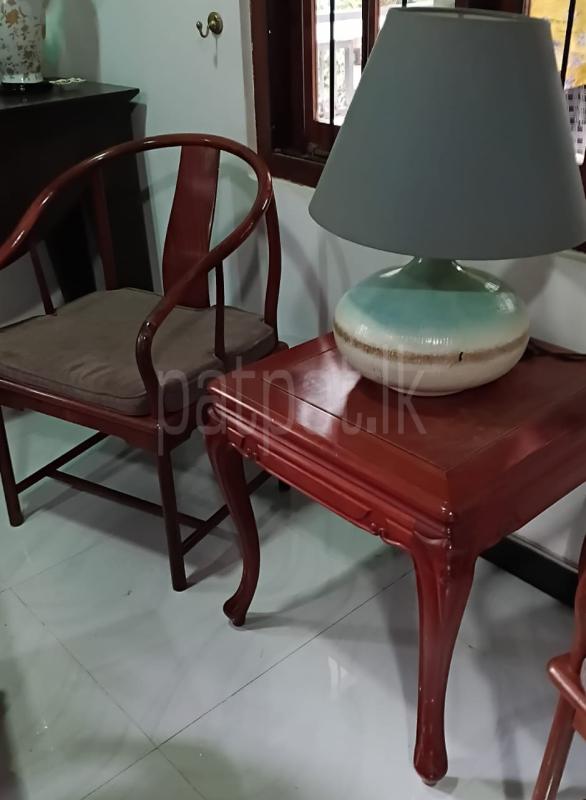
- "Waisted" Style This table features a classic "Waisted" design (known in Chinese as Shu Yao).
"Waisted" Style This table features a classic "Waisted" design (known in Chinese as Shu Yao).
Rausdeen Thajudeen
2026-04-27
ගම්පොල, මහනුවර
4
views


1/6
-
නිවාස වැඩිදියුණු කිරීමේ ද්රව්ය සහ මෙවලම්
 වර්ගය
වර්ගය
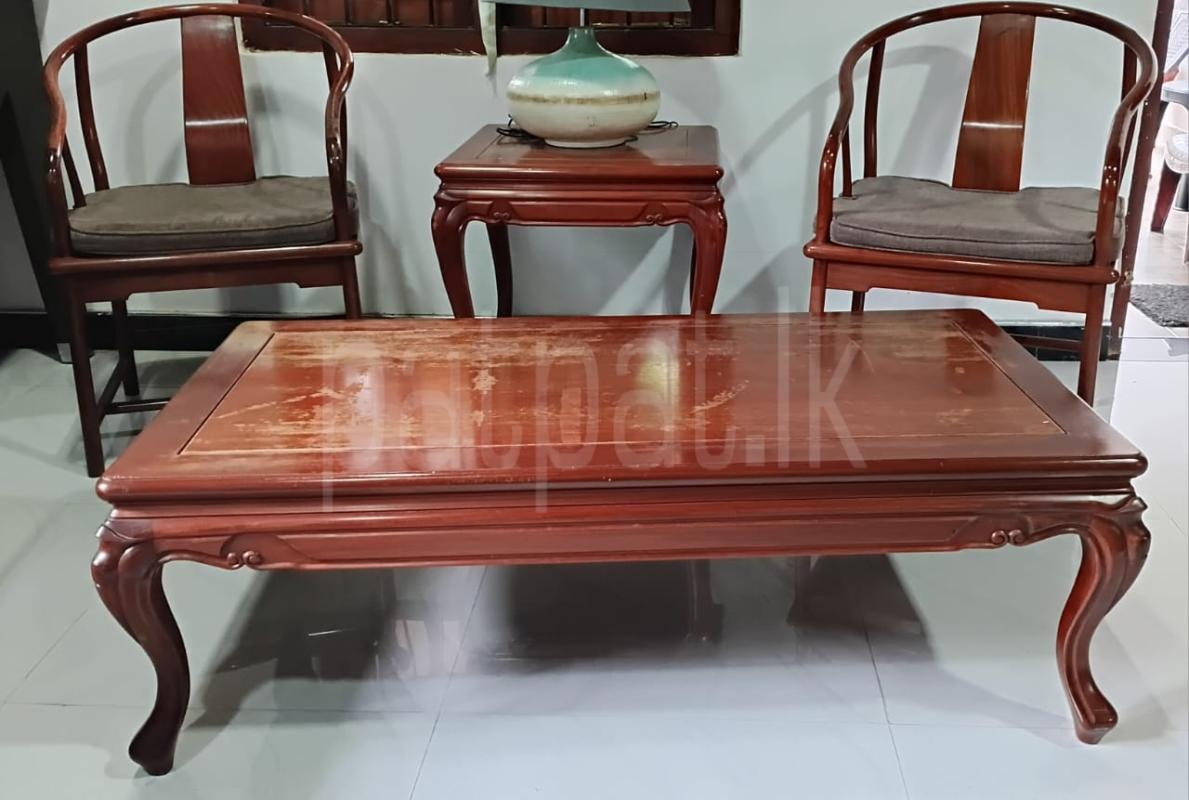
A 5-piece set of this quality—consisting of 2 chairs, 2 side tables, and 1 standard table—is a significant collection. Because it appears to be authentic Hongmu (Rosewood) with classical "waisted" joinery, the value is quite high.
Here is an estimated price breakdown based on current market trends for classical Chinese furniture:
Category Description Estimated Set Value
Modern Reproduction High-quality solid wood but mass-produced recently. $2,500 – $4,500
Vintage / Solid Hongmu Older (30–60 years), solid Suanzhimu with hand-carved details. $5,000 – $8,500
Antique / High-End 19th or early 20th century, exceptional grain, and rare craftsmanship. $10,000 – $20,000+
Since you have a complete 5-piece set (1 main table, 2 chairs, and 2 side tables) in what appears to be Suanzhimu (Rosewood), the value is significantly higher than for individual pieces.
Based on current 2026 market values for classical Chinese Hongmu furniture, here is a "guess" for the price in USD (assuming "uad" was a typo for USD):
Estimated Market Value (5-Piece Set)
1. Mid-Range (High-Quality Vintage)
If the set is 30–60 years old, solid wood, and in good condition:
Price Guess: $4,500 – $7,500 USD
Why: Matching sets are rare. In this tier, each chair is worth roughly $1,200, the side tables $600 each, and the main table $1,500+.
2. Premium / Antique Tier
If the set is a genuine antique (late 19th to early 20th century) with hand-carved details and "tiger-skin" grain:
Price Guess: $10,000 – $18,000+ USD
Why: Antique Suanzhimu is a collector's item. At auction, these sets can go much higher if the provenance (history) is documented.
3. Modern Reproduction
If the set was made recently (within the last 10–15 years) using modern factory methods:
Price Guess: $2,500 – $3,800 USD
Why: Even new Rosewood is expensive due to the cost of the raw timber, but it lacks the "collector value" of older pieces.
Value Breakdown by Piece
How to verify the age?
Check the underside of the table:
Modern: You might see smooth, perfectly circular saw marks or even small metal brackets.
Antique: You will see hand-planed wood (slightly uneven) and dark "patina" (natural aging of the wood where it hasn't been polished).
Maintenance Tip: This wood (Suanzhimu) is very dense. To keep the value high, never use "Pledge" or aerosol sprays. Only use a clear natural beeswax once or twice a year to keep the wood from drying out.
Is there any specific mark or signature carved into the bottom of the chairs or tables? That would help identify the maker!
This set is definitely Chinese in origin and style.
The design is deeply rooted in Chinese history, specifically from the Ming and Qing Dynasties. While both cultures value high-quality wood, their styles are very different.
Here is how you can tell it is Chinese and not Japanese:
1. The Chair Design (The "Horseshoe" Back)
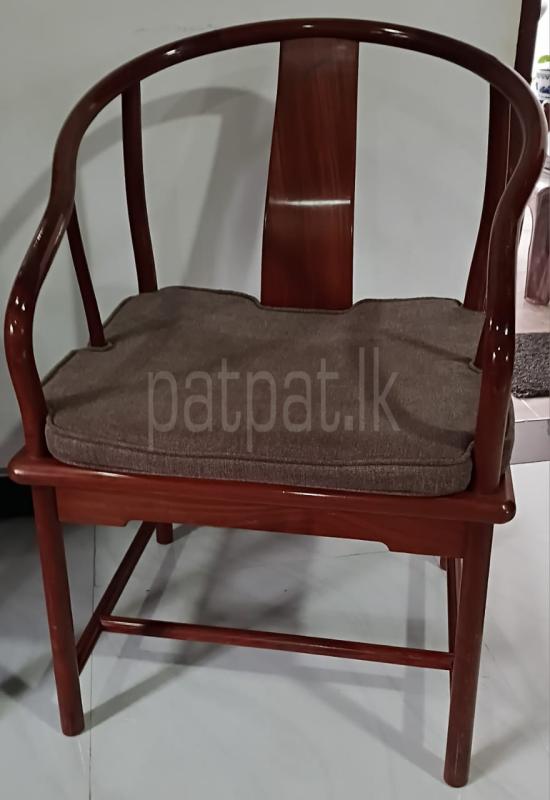
The circular back on your chairs (known as Quanyi) is a famous Chinese invention.
Chinese Style: Historically, the Chinese transitioned to "high-seating" (sitting in chairs) over 1,000 years ago. These chairs were symbols of status and power.
Japanese Style: Traditionally, Japanese culture focused on "floor-seating" on tatami mats. Authentic Japanese furniture from similar eras would be much lower to the ground, like low tea tables (Chabudai) or chests (Tansu).
2. The Feet and "Waist"
Chinese Style: The "Horse-Hoof" feet (where the leg curves inward at the bottom) and the "Waist" (the recessed gap under the tabletop) are classic Chinese architectural motifs. You see these same shapes in ancient Chinese temples and palaces.
Japanese Style: Japanese furniture tends to favor straight lines and very simple, hidden joinery without the decorative "waist" or curved feet seen here.
3. Wood and Finish
Chinese Style: Chinese craftsmen preferred heavy, dark, and dense hardwoods like Rosewood (Hongmu). They often used a high-gloss lacquer or wax to bring out a deep red or "oxblood" color.
Japanese Style: Japanese craftsmen traditionally preferred lighter, softer woods with a more natural, matte finish, such as Cedar (Sugi), Cypress (Hinoki), or Paulownia (Kiri).
Summary Table
Here is an estimated price breakdown based on current market trends for classical Chinese furniture:
Category Description Estimated Set Value
Modern Reproduction High-quality solid wood but mass-produced recently. $2,500 – $4,500
Vintage / Solid Hongmu Older (30–60 years), solid Suanzhimu with hand-carved details. $5,000 – $8,500
Antique / High-End 19th or early 20th century, exceptional grain, and rare craftsmanship. $10,000 – $20,000+
Since you have a complete 5-piece set (1 main table, 2 chairs, and 2 side tables) in what appears to be Suanzhimu (Rosewood), the value is significantly higher than for individual pieces.
Based on current 2026 market values for classical Chinese Hongmu furniture, here is a "guess" for the price in USD (assuming "uad" was a typo for USD):
Estimated Market Value (5-Piece Set)
1. Mid-Range (High-Quality Vintage)
If the set is 30–60 years old, solid wood, and in good condition:
Price Guess: $4,500 – $7,500 USD
Why: Matching sets are rare. In this tier, each chair is worth roughly $1,200, the side tables $600 each, and the main table $1,500+.
2. Premium / Antique Tier
If the set is a genuine antique (late 19th to early 20th century) with hand-carved details and "tiger-skin" grain:
Price Guess: $10,000 – $18,000+ USD
Why: Antique Suanzhimu is a collector's item. At auction, these sets can go much higher if the provenance (history) is documented.
3. Modern Reproduction
If the set was made recently (within the last 10–15 years) using modern factory methods:
Price Guess: $2,500 – $3,800 USD
Why: Even new Rosewood is expensive due to the cost of the raw timber, but it lacks the "collector value" of older pieces.
Value Breakdown by Piece
How to verify the age?
Check the underside of the table:
Modern: You might see smooth, perfectly circular saw marks or even small metal brackets.
Antique: You will see hand-planed wood (slightly uneven) and dark "patina" (natural aging of the wood where it hasn't been polished).
Maintenance Tip: This wood (Suanzhimu) is very dense. To keep the value high, never use "Pledge" or aerosol sprays. Only use a clear natural beeswax once or twice a year to keep the wood from drying out.
Is there any specific mark or signature carved into the bottom of the chairs or tables? That would help identify the maker!
This set is definitely Chinese in origin and style.
The design is deeply rooted in Chinese history, specifically from the Ming and Qing Dynasties. While both cultures value high-quality wood, their styles are very different.
Here is how you can tell it is Chinese and not Japanese:
1. The Chair Design (The "Horseshoe" Back)
The circular back on your chairs (known as Quanyi) is a famous Chinese invention.
Chinese Style: Historically, the Chinese transitioned to "high-seating" (sitting in chairs) over 1,000 years ago. These chairs were symbols of status and power.
Japanese Style: Traditionally, Japanese culture focused on "floor-seating" on tatami mats. Authentic Japanese furniture from similar eras would be much lower to the ground, like low tea tables (Chabudai) or chests (Tansu).
2. The Feet and "Waist"
Chinese Style: The "Horse-Hoof" feet (where the leg curves inward at the bottom) and the "Waist" (the recessed gap under the tabletop) are classic Chinese architectural motifs. You see these same shapes in ancient Chinese temples and palaces.
Japanese Style: Japanese furniture tends to favor straight lines and very simple, hidden joinery without the decorative "waist" or curved feet seen here.
3. Wood and Finish
Chinese Style: Chinese craftsmen preferred heavy, dark, and dense hardwoods like Rosewood (Hongmu). They often used a high-gloss lacquer or wax to bring out a deep red or "oxblood" color.
Japanese Style: Japanese craftsmen traditionally preferred lighter, softer woods with a more natural, matte finish, such as Cedar (Sugi), Cypress (Hinoki), or Paulownia (Kiri).
Summary Table
නිවස සහ ජීවනය පරීක්ෂා කිරීමට පෙර දැන්වීම්කරුට කිසිදු ගෙවීමක් නොකරන්න. දැන්වීම්කරු සහ ඔබ අතර ඇති වන කිසිදු ගනුදෙනුවකට හෝ ගිවිසුමකට patpat.lk වගකිව නොහැකිය.
Rs: 1,350,000
Ref:
W1450952604271107515587
+947xxxxxxxx
Click to reveal
+94764720190
 WhatsApp මඟින් කතා කරන්න
 Owner සමඟ කතා කරන්න
මෙම දැන්වීම බෙදා ගන්න